BudgIT’s Malala-Funded Project Highlights Barriers to Girls’ Education in Maiduguri
By Tracka/BudgIT, Borno State13 October 2026
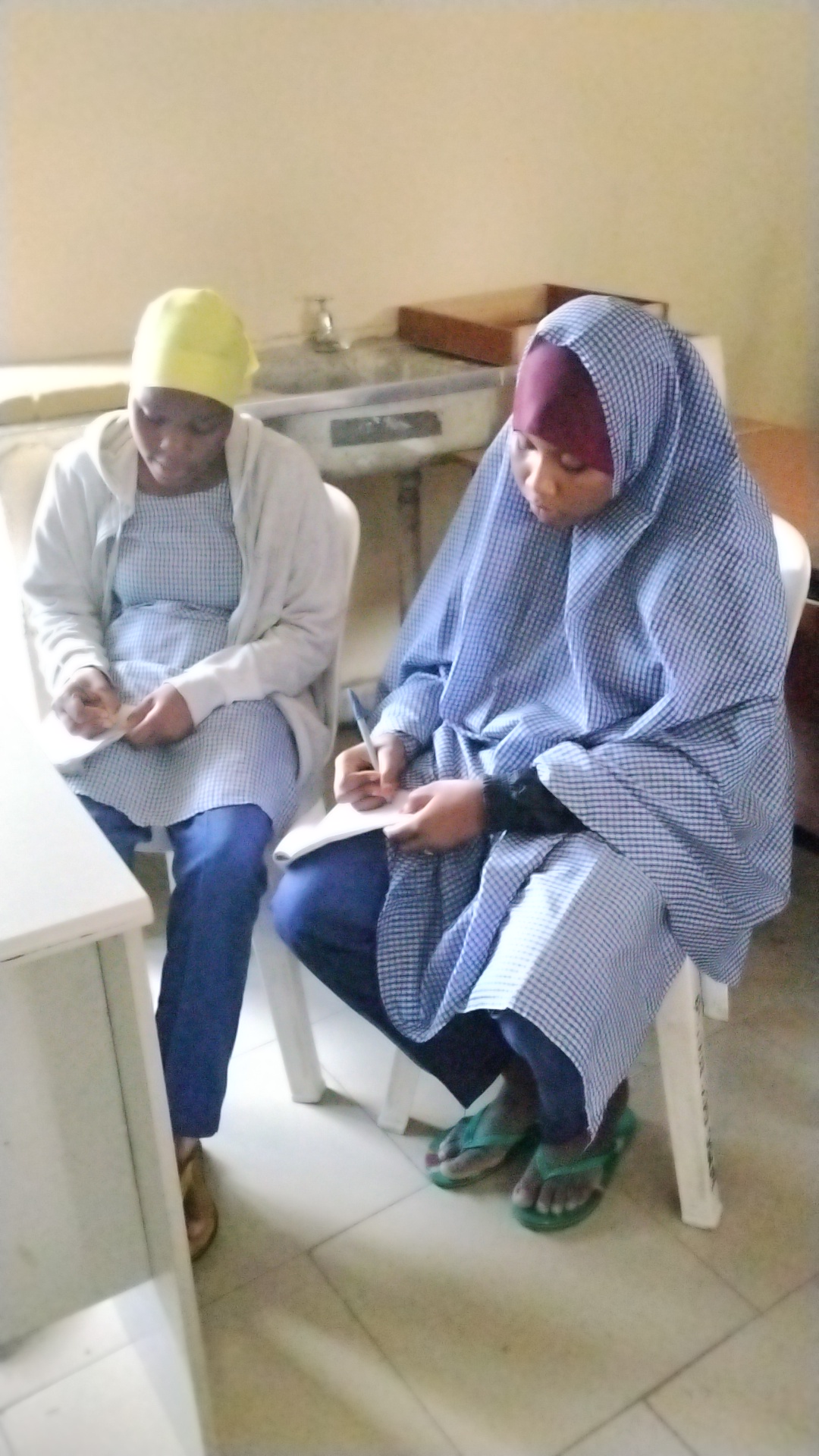
BudgIT Foundation’s Malala Fund-supported girl-child education project has identified transportation costs, early marriage, inadequate laboratory equipment and harmful cultural attitudes as major barriers to girls’ education at Government Girls College Maiduguri, Borno State.
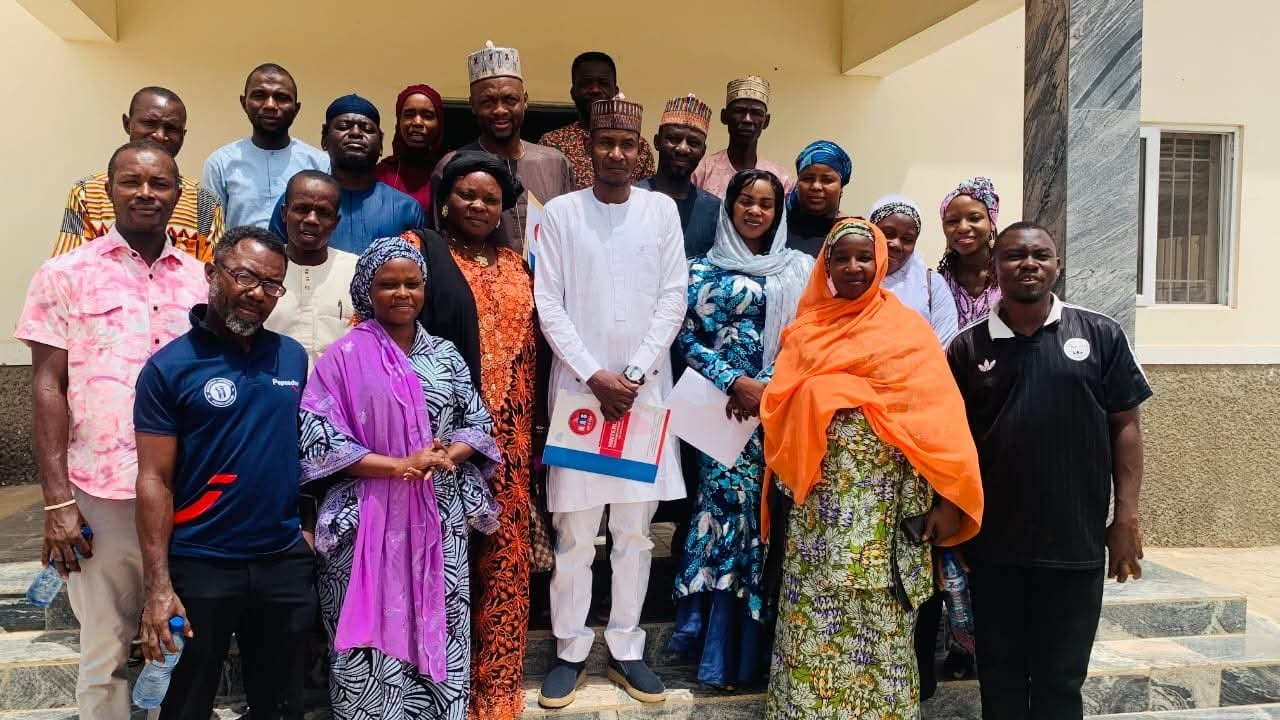
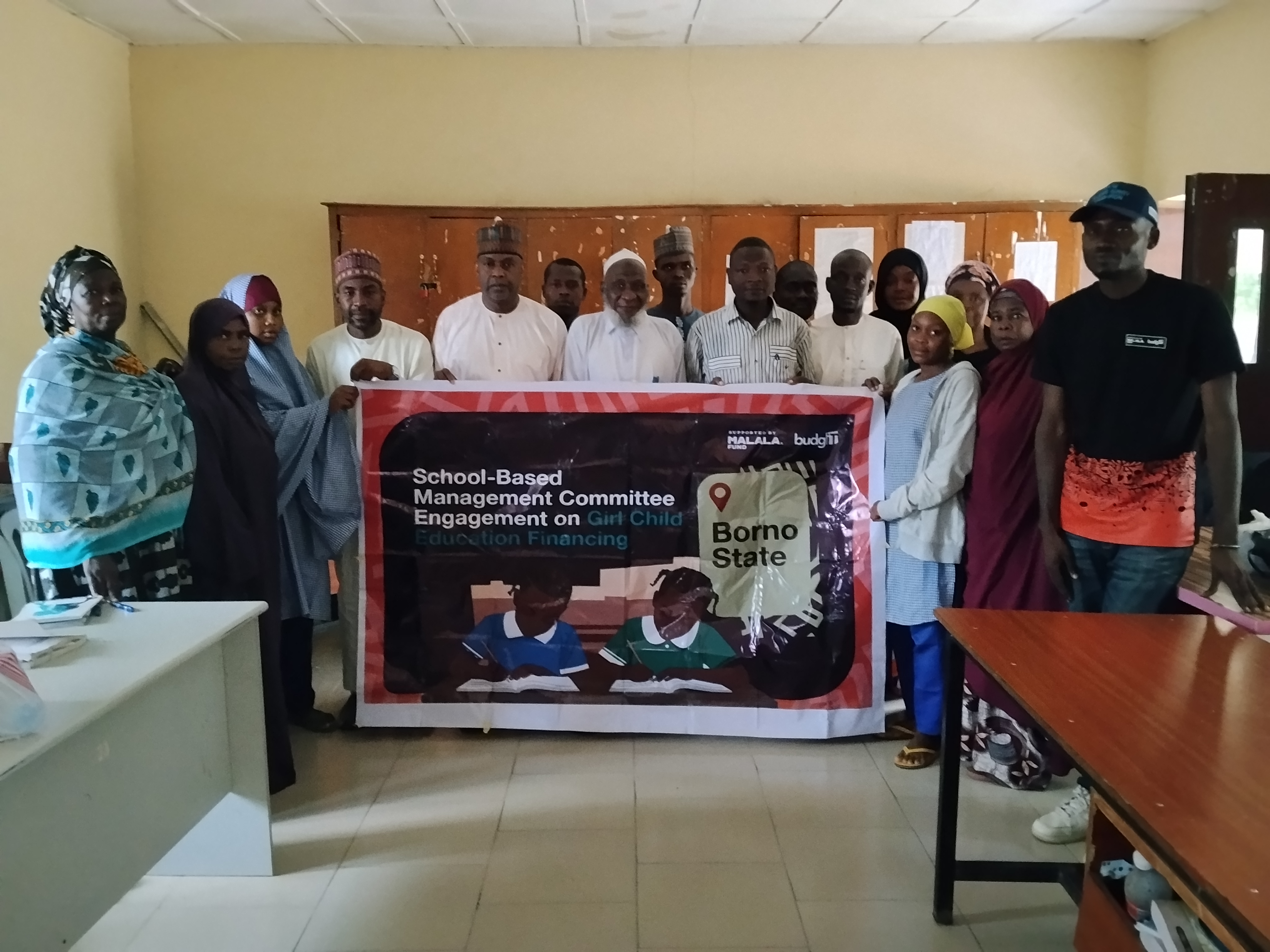
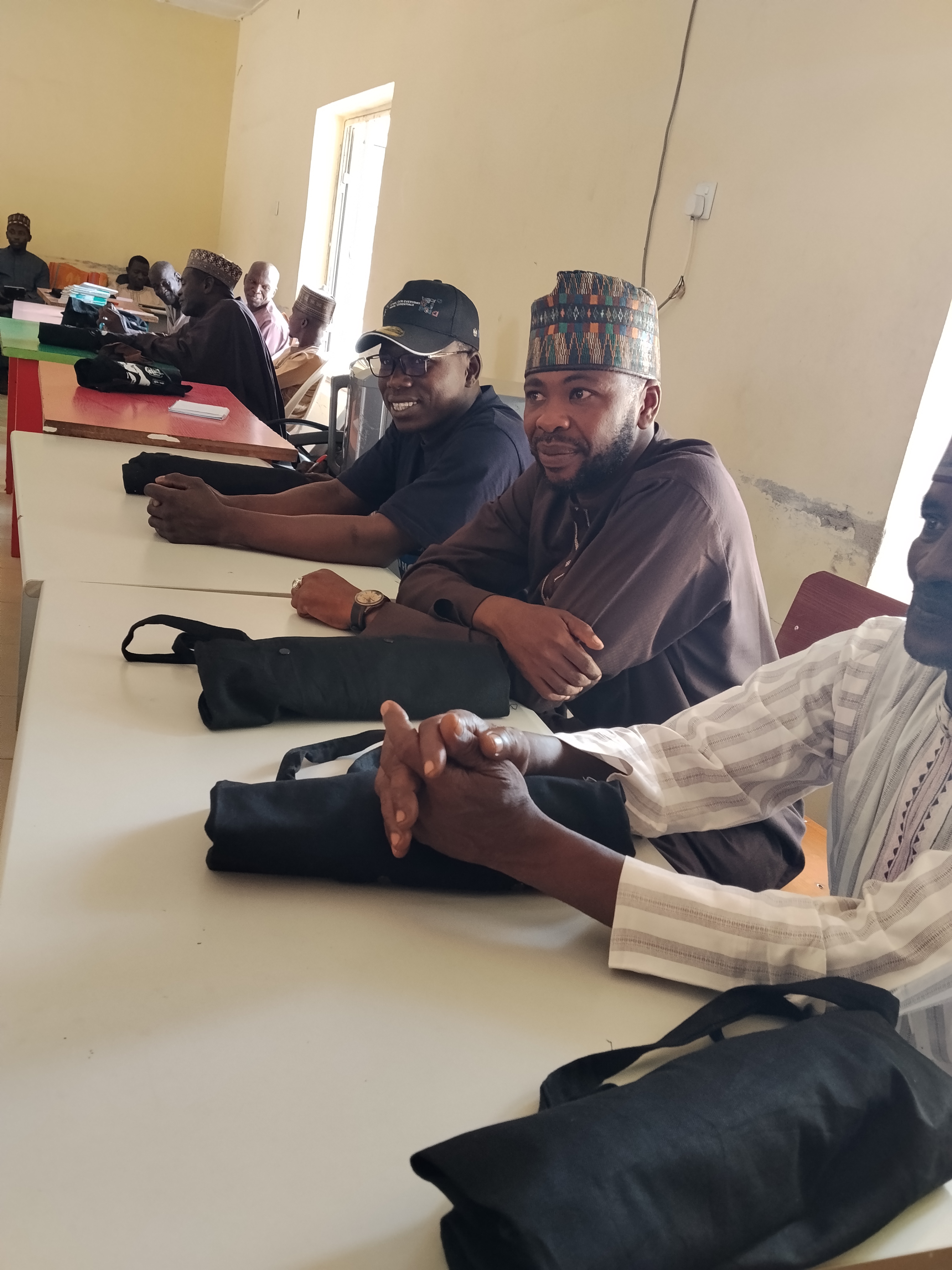
The findings emerged from a School-Based Management Committee (SBMC) engagement held on 29 September 2026 and a subsequent community town hall meeting under the Education Champions Network (ECN) Phase 2.
During the SBMC engagement, teachers reported that only about 150 students had resumed out of an expected 400–450, even after four weeks of the term. Transportation costs, reportedly ranging from ₦25,000 to ₦35,000 for some students travelling from distant communities, were identified as a major factor affecting attendance.
Early marriage was another concern, with teachers reporting cases of girls aged 16 or 17 leaving school to marry. Participants also highlighted cultural beliefs that sometimes prioritise boys’ education over girls’, limiting girls’ educational opportunities and future independence.
The engagement further revealed inadequate laboratory equipment for practical lessons in Physics, Chemistry and Biology. Teachers and student representatives expressed concern that students were sometimes asked to contribute financially towards practical activities, placing additional pressure on families and potentially affecting examination preparation for WAEC and NECO.
At the community town hall meeting, parents and stakeholders discussed the limited economic opportunities available to girls to support their education. Participants called for greater involvement of fathers, mothers, religious leaders and traditional leaders in sensitisation activities promoting girls’ education.
Stakeholders also emphasised the need to involve SBMCs in planning education interventions from the outset to improve community ownership and ensure that programmes address actual local needs.
Three priority areas emerged from the engagements: reducing transportation barriers, addressing early marriage and harmful cultural practices, and providing adequate laboratory equipment and learning resources.
Participants recommended another community engagement involving religious, traditional and women leaders to strengthen collaboration and promote practical solutions.
The engagements form part of BudgIT Foundation’s Malala Fund-supported initiative, which promotes sustainable education financing, accountability and improved learning conditions across five pilot states, including Borno.
The findings reinforce the need to move beyond school enrolment figures by ensuring that girls can attend school regularly, access quality learning resources, complete their education and pursue better opportunities.
By: sadmohd25@gmail.com | Published: November 4, 2026


.jpg "TOWNHALMUBISOUTH (21)")